
Image zoom
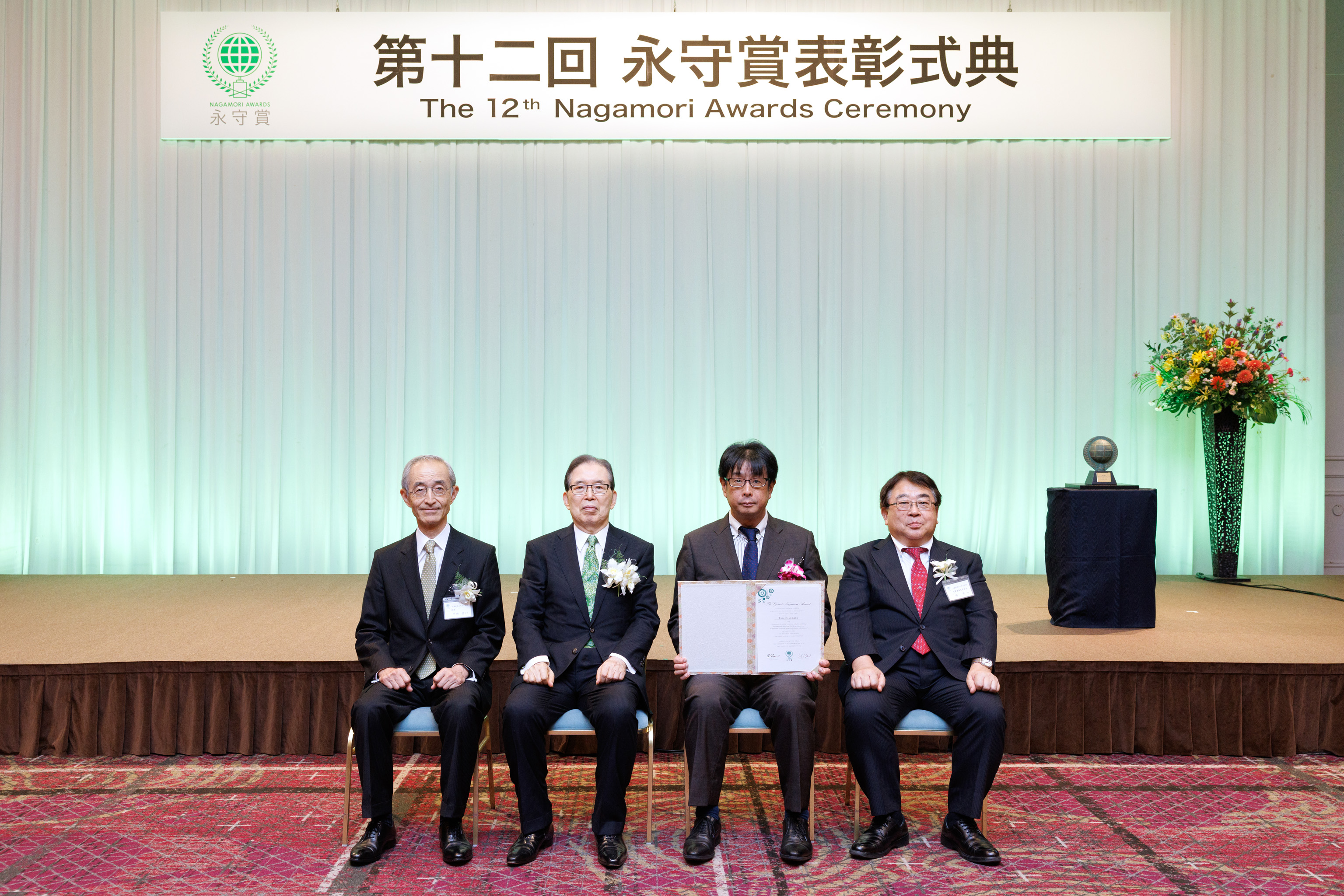
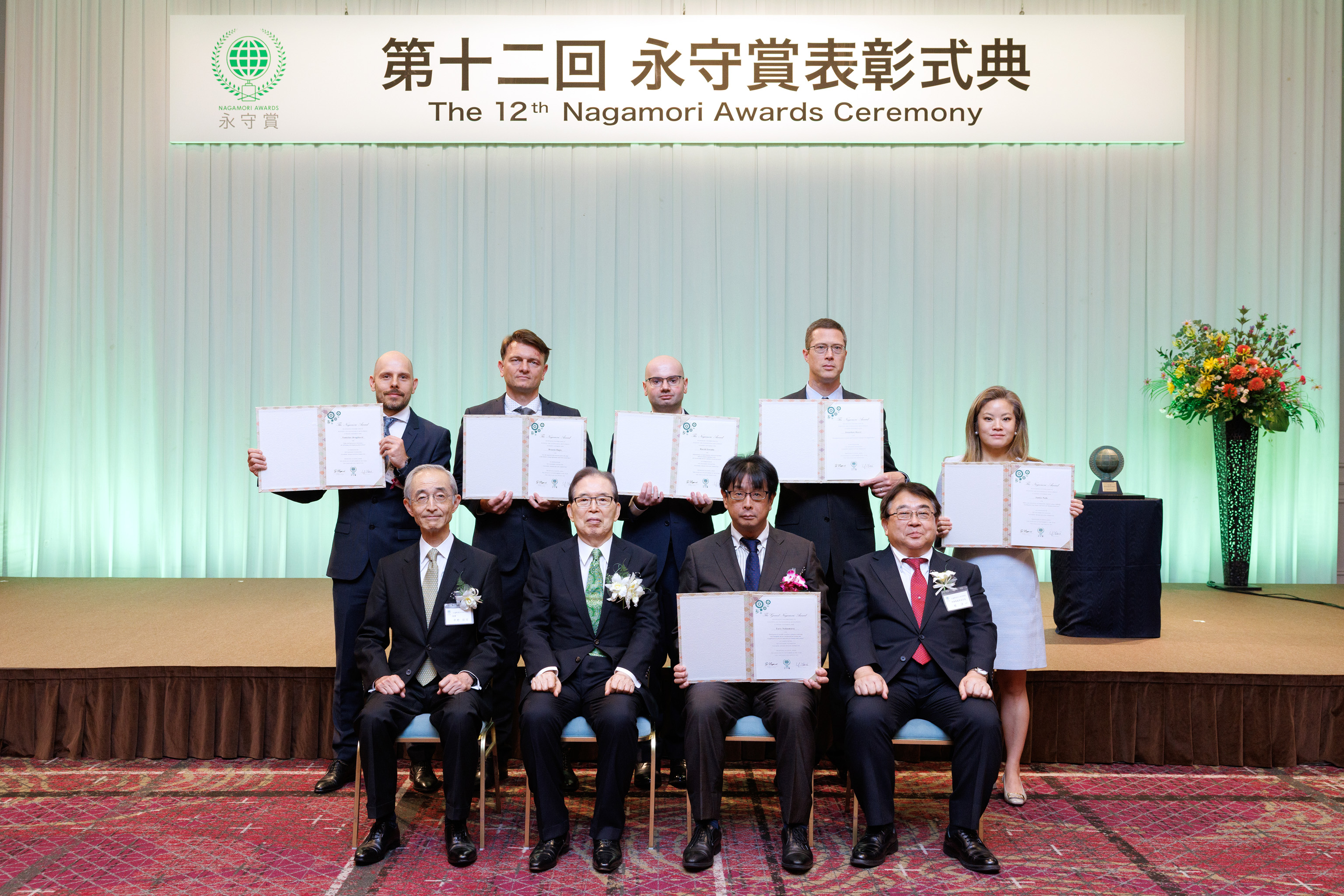
Nagamori Foundation held the Twelfth Nagamori Awards Ceremony at Hotel Okura Kyoto on Sunday, September 6, 2026 to honor the winners of the awards and the recipients of the research grant for 2026.
After the 6 Nagamori Awards winners presented their research topic, Nagamori Foundation’s Review Committee chose Dr. Taro Nakamura (Professor, Chuo University) as the Grand Nagamori Award winner.
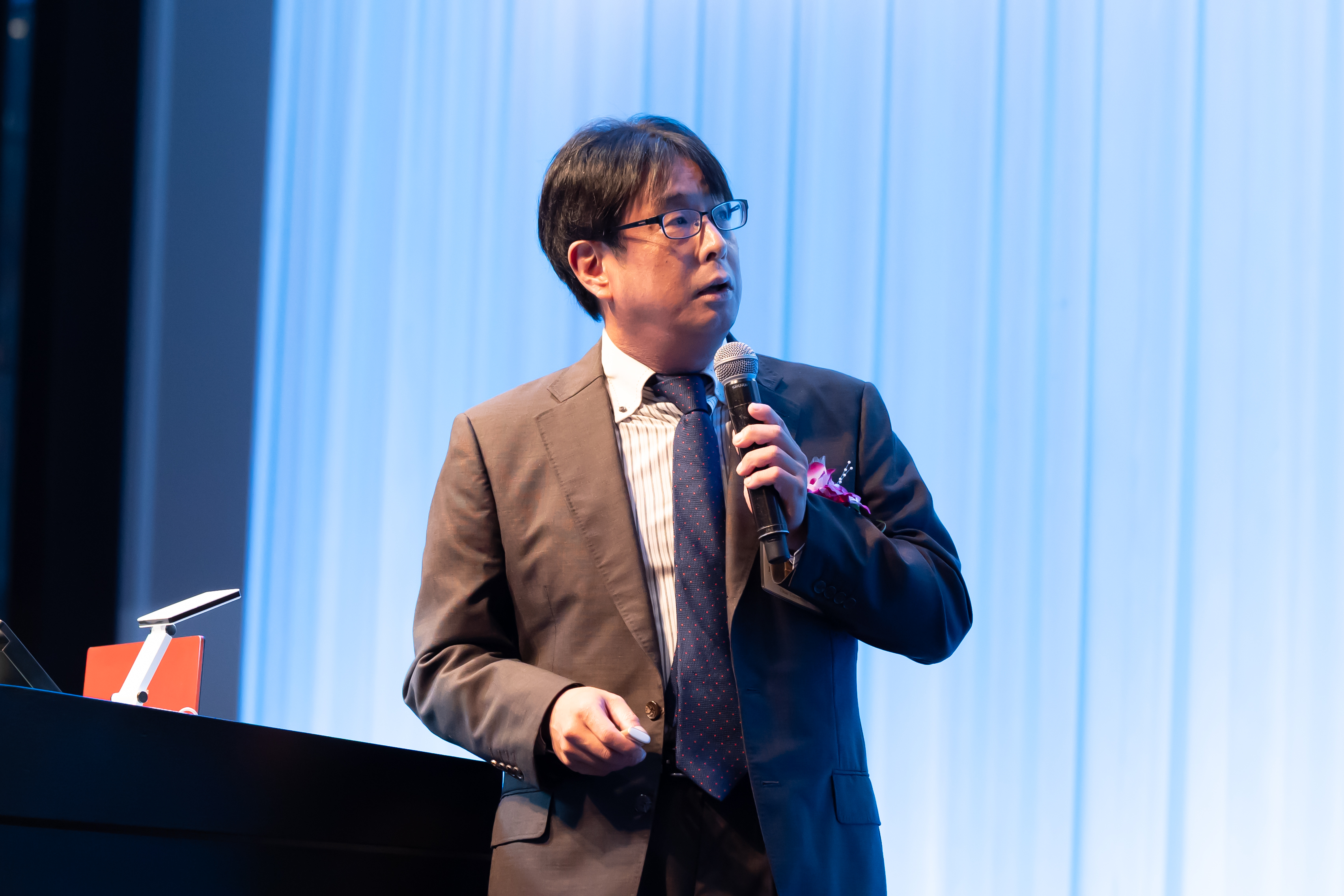
The commendation ceremony began with Prof. Hori, the Review Committee’s Chair, explaining how the winners were selected, followed by the announcement of the Twelfth Grand Nagamori Award winner. Mr. Hirano, Director of Nagamori Foundation, delivered the Award Certificate to each Award winner and then representing the award winners, Professor Nakamura delivered a speech to express the pleasure of receiving the Award.
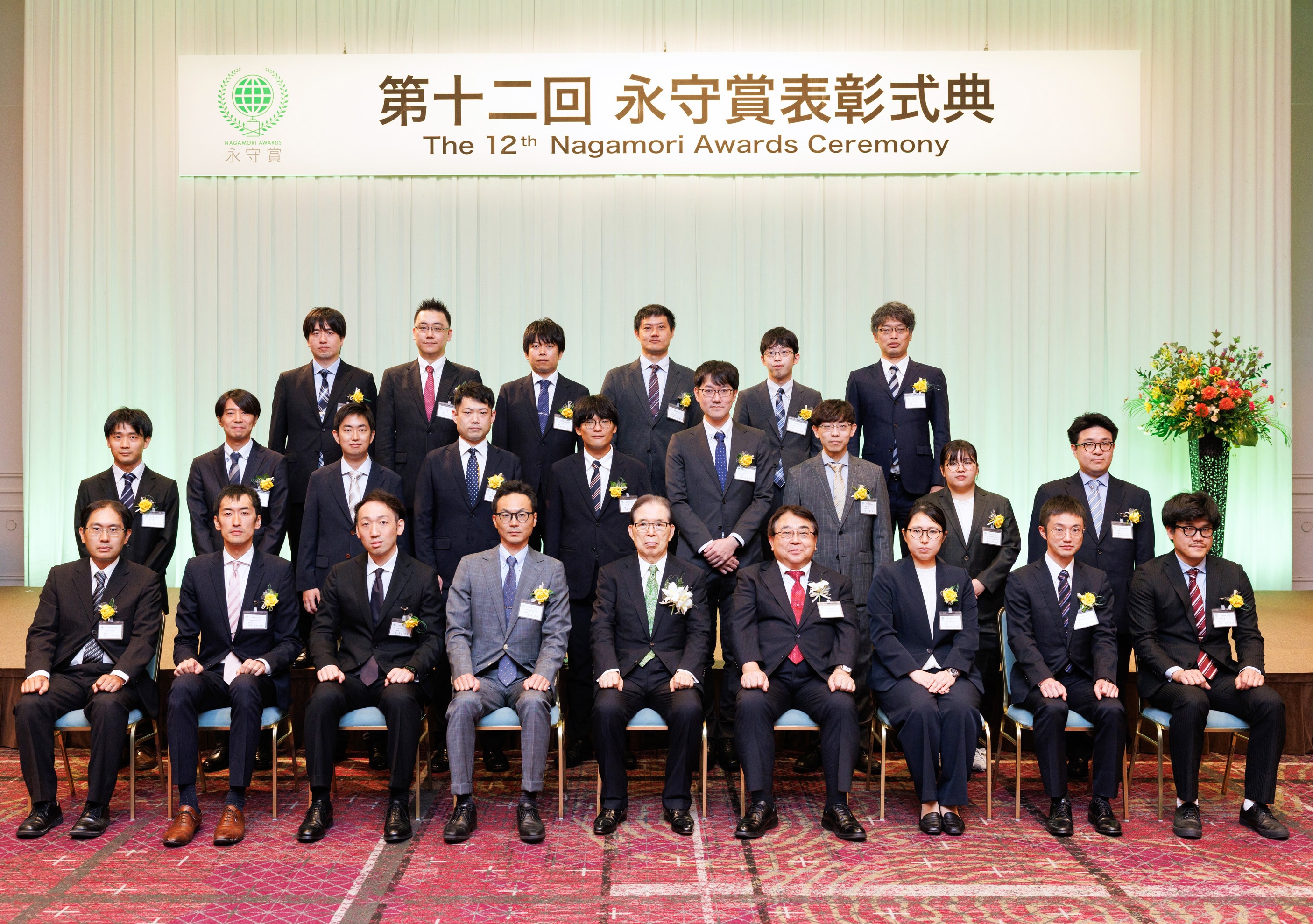
The next part of the ceremony was to present research grants (“Research Grant 2026”) to the 22 researchers, mostly associate or assistant professors (9 new and 13 renewal recipients). Following that, Dr. Yuki Sato, Associate Professor, Shibaura Institute of Technology, gave a speech to appreciate the grant on behalf of all the grant recipients.
There was a special lecture from Dr. Hiroshi Fujimoto, Professor of the University of Tokyo and the 2nd Grand Nagamori Award winner, on “Dynamic Wireless Power Transfer to EVs: Japan’s First Demonstration on Public Road”.
Mr. YANO Kazuhiko, Vice Minister of Ministry of Education, Culture, Sports, Science and Technology – Japan, gave a congratulatory address in person, representing the guests. The ceremony ended in great success.

Dr. Taro Nakamura
(Professor, School of Science and Engineering, Chuo University)
I am deeply honored to receive the 12th Grand Nagamori Award. Throughout my career, I have worked on variable viscoelastic actuation technologies that integrate electromagnetic devices, such as motors and magnetorheological fluid devices, with fluid-driven soft actuators, including pneumatic artificial muscles. This approach aims to realize robotic systems that combine controllability, flexibility, safety, and instantaneous power—properties that are difficult to achieve with conventional motor-driven systems alone.
The awarded work has been applied to legged jumping robots, power-assist devices, rehabilitation systems, and wearable haptic interfaces for virtual reality. Through these applications, I have sought to create technologies that allow humans and machines to interact more naturally, safely, and effectively. I am especially encouraged that this research has been recognized in the context of the Nagamori Award, which promotes motor, actuator, and related technologies contributing to affluent lives and a sustainable society.


